Advertisement

Advertisement

Undescended Testis

Teaser: 

Yvonne Y. Chan, MD, 1 Stanley A. Yap, MD, 1Jennifer H. Yang, MD1

1University of California Davis, Department of Urology, Sacramento, CA.

CLINICAL TOOLS

Abstract: Undescended testis is the most common genitourinary anomaly in boys and is found in 2-4% of those born full term and 20-30% of those born premature. Spontaneous descent occurs in 50-70% of cases. Physical exam is critical and sufficient in the diagnosis and characterization of testicular location. As such, imaging is not necessary prior to referral to pediatric urology as it will not affect management. Testicular maldescent impairs spermatogenesis and increases risk for testicular germ cell tumors, so timely diagnosis and intervention are key.
Key Words:undescended testis, cryptorchidism, orchiopexy.

Members of the College of Family Physicians of Canada may claim MAINPRO-M2 Credits for this unaccredited educational program.

www.cfpc.ca/Mainpro_M2

You can take quizzes without subscribing; however, your results will not be stored. Subscribers will have access to their quiz results for future reference.

Undescended testis affects spermatogenesis and increases risk for testicular cancer and infertility.
Initiate workup for disorders of sexual development in cases of bilateral, undescended, and nonpalpable testes.
For cases of congenital undescended testis, refer to pediatric urology if the testis remains undescended by 6 months of age (corrected for gestational age).
Imaging is not necessary prior to referral to pediatric urology.
Patients with bilateral undescended and nonpalpable testicles require DSD workup.
Physical exam is sufficient for determining the location of an undescended testis, and ultrasound is not necessary prior to referral to pediatric urology.
To have access to full article that these tools were developed for, please subscribe. The cost to subscribe is $80 USD per year and you will gain full access to all the premium content on www.healthplexus.net, an educational portal, that hosts 1000s of clinical reviews, case studies, educational visual aids and more as well as within the mobile app.

Referral Criteria for Non-Emergent Spinal Symptoms in the Neck and Low Back: A Survey of Canadian Spine Surgeons

Teaser: 

Yoga Raja Rampersaud, MD, FRCSC,1 Dr. Hamilton Hall, MD, FRCSC,2

1Associate Professor Department of Surgery, University of Toronto, Divisions of Orthopaedic and Neurosurgery University Health Network Medical Director, Back and Neck Specialty Program, Altum Health, Past President Canadian Spine Society.
2is a Professor in the Department of Surgery at the University of Toronto. He is the Medical Director, CBI Health Group and Executive Director of the Canadian Spine Society in Toronto, Ontario.

CLINICAL TOOLS

Abstract: The majority of the patients referred for surgical consultation are not candidates for surgery. Appropriate operative candidates endure unnecessary and potentially detrimental delays in obtaining their surgery while the rest waste time waiting to be told that surgery is not the answer. The Canadian Spine Society surveyed its membership to establish a set of practical surgical referral recommendations for non-emergent spinal problems. The results support referrals of patients with leg or arm dominant pain but, in the absence of a significant structural abnormality, discourage referring patients with neck or back dominant symptoms.
Key Words: spine surgery, indications, referral, clinical presentations, non-emergent.

Members of the College of Family Physicians of Canada may claim MAINPRO-M2 Credits for this unaccredited educational program.

www.cfpc.ca/Mainpro_M2

You can take quizzes without subscribing; however, your results will not be stored. Subscribers will have access to their quiz results for future reference.

There is no universally acceptable ideal candidate, absolute indication or unqualified contraindication for elective spinal surgery.
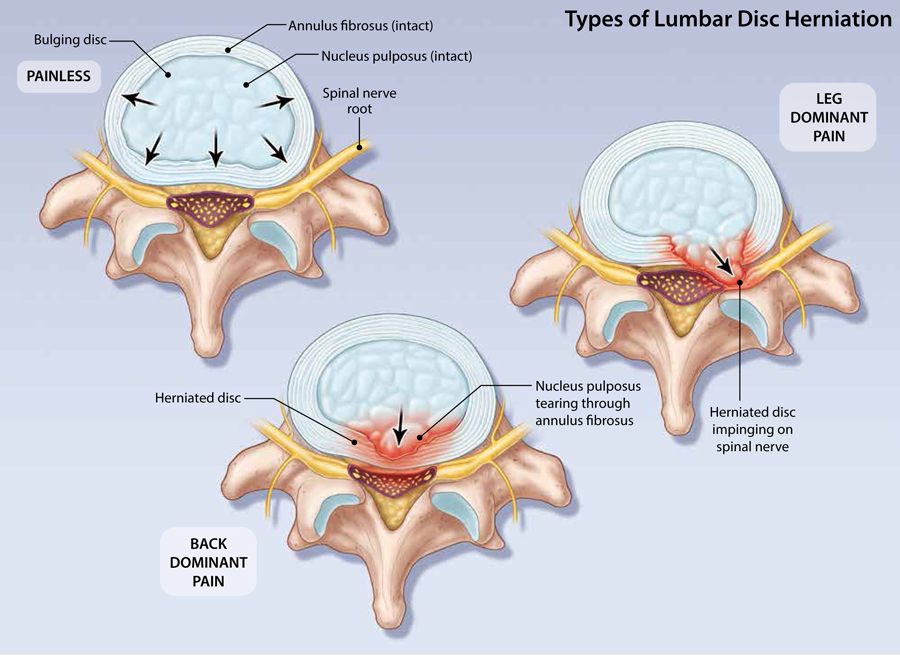
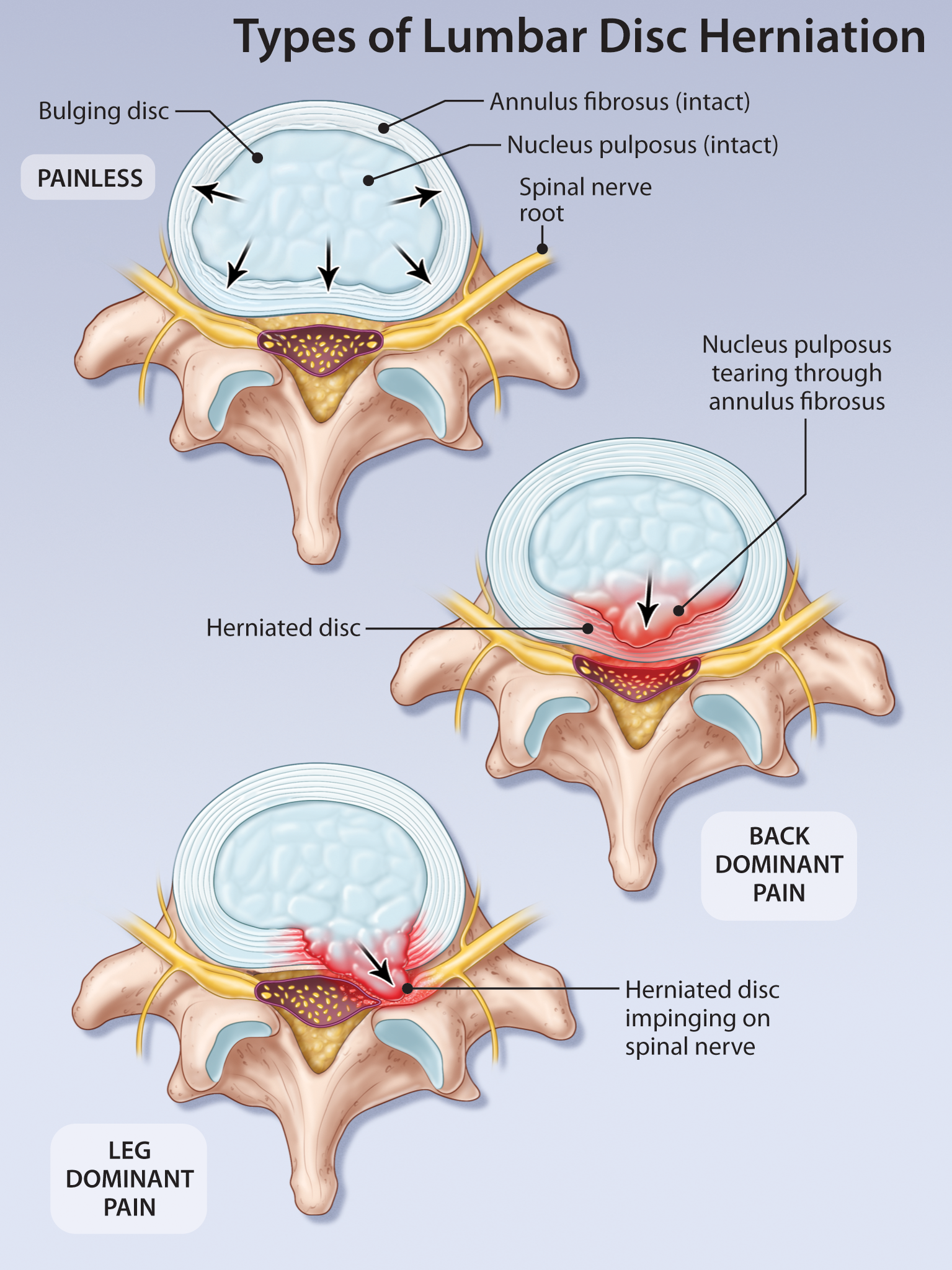
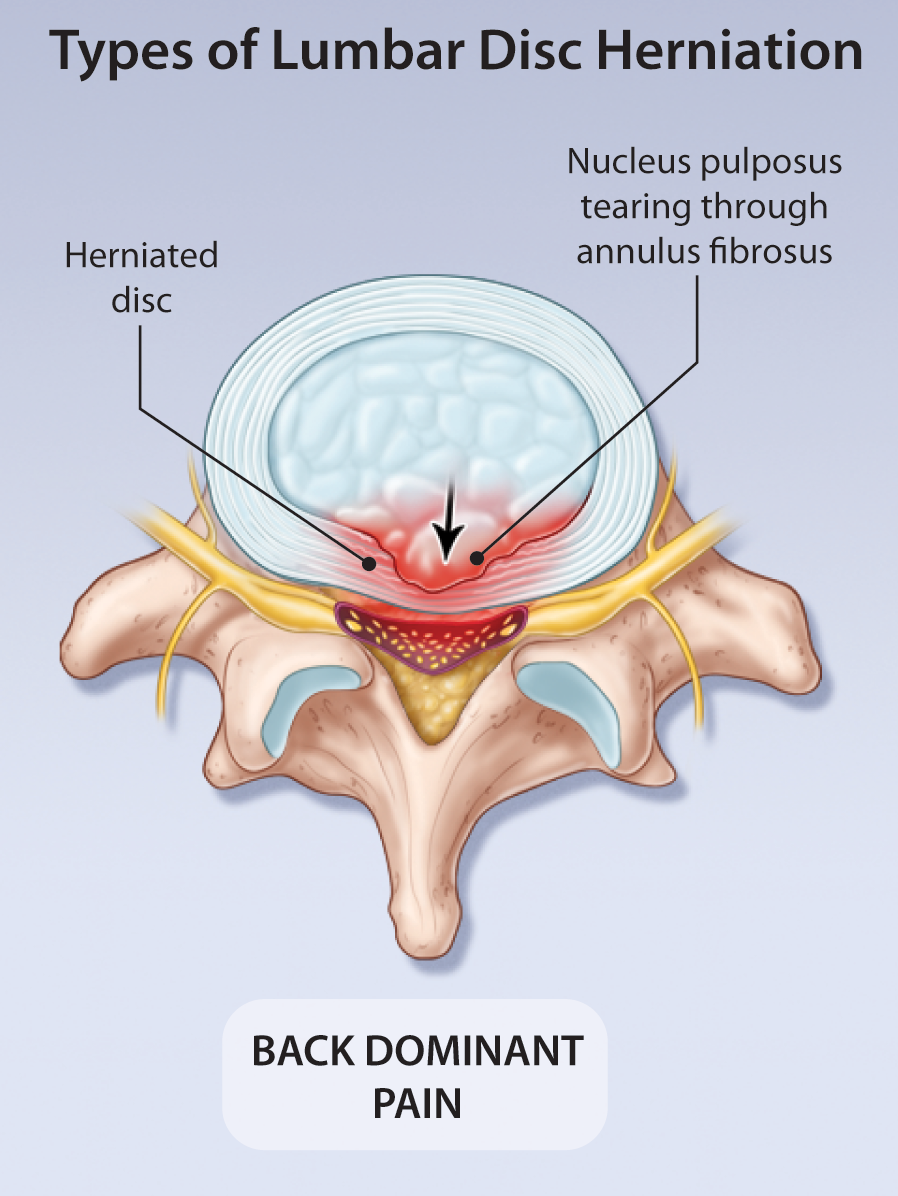
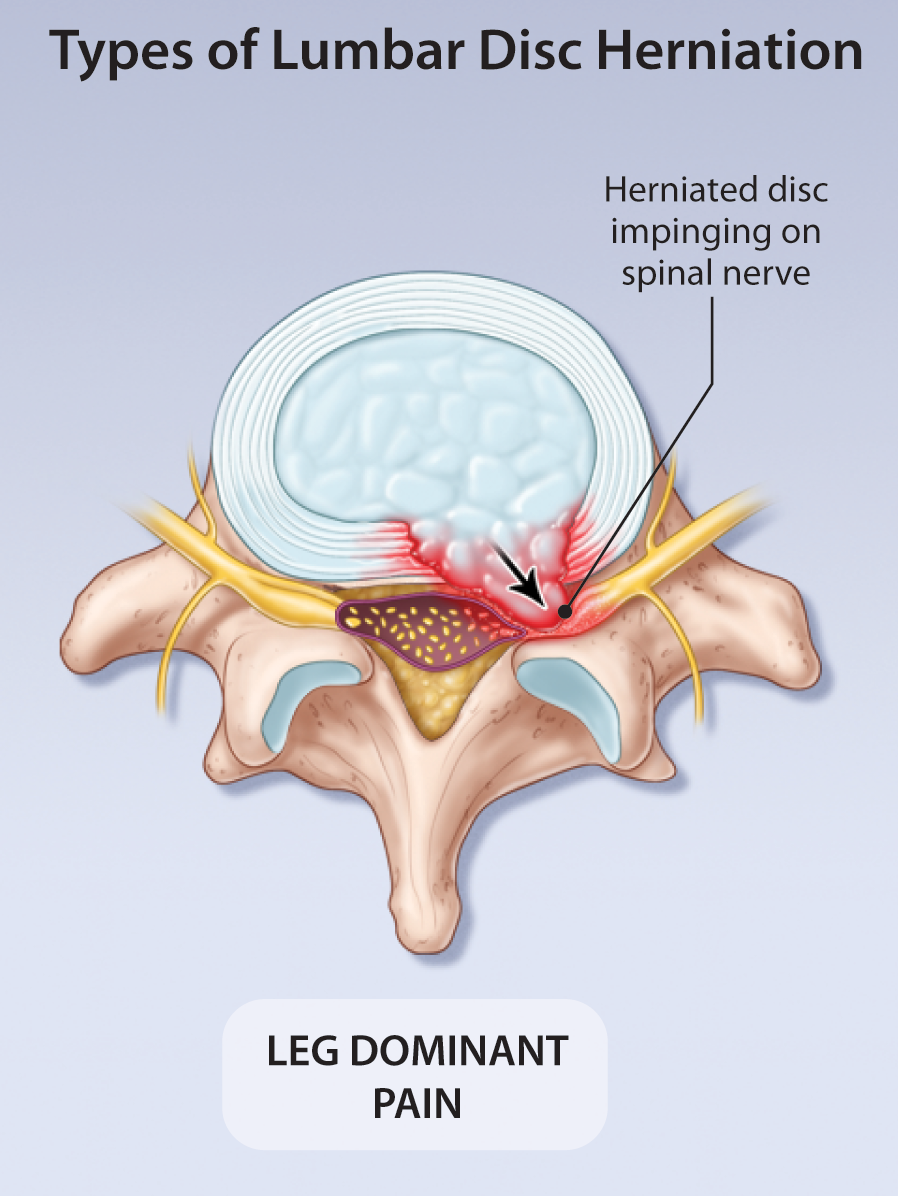
Referral is recommended most often for patients who have constant arm or leg dominant pain.
Patients who have untreated neck or back dominant pain are not appropriate surgical referrals.
Surgeons insistence on an image or refusal to see a suitable patient who rejects surgery reflect the excessive demand on their time, which can be relieved with proper referral.
The recommendation for referral is highest when the patient has had aappropriate non-operative treatment: well supervised physical therapy, suitable medication, effective education and successful lifestyle modification.
Spine related arm and leg dominant pain are usually the result of specific nerve root pathologies and therefore are more likely amenable to surgical intervention than back or neck pain which are generally multifactorial.
Patients with disabling or progressive neurological deficits should be referred early; patients with little or no pain and with no functional limitation related to the neurological deficit are not recommended for referral.
To have access to full article that these tools were developed for, please subscribe. The cost to subscribe is $80 USD per year and you will gain full access to all the premium content on www.healthplexus.net, an educational portal, that hosts 1000s of clinical reviews, case studies, educational visual aids and more as well as within the mobile app.

A Case of a Large Sublingual Dermoid Removed Successfully Using a Sublingual Approach

Teaser: 

Dr. Pradeep Shenoy, MD, FRCS, FACS, DLO,1
Dr. Farah Tabassum, MD, FRCPC, FABP2

1ENT & Neck Surgeon, Campbellton Regional Hospital, Campbellton, New Brunswick, Canada.
2Pathologist, Campbellton Regional Hospital, Campbellton, New Brunswick, Canada.

CLINICAL TOOLS

Abstract:Sublingual dermoid cysts are rare lesions in the oral cavity. Common oral lesions include: ranula; benign mucosal swelling; and sublingual salivary gland tumours. Uncommon types of lesions include: thyroglossal cysts, pilomatrixomas,12 pilomatrix carcinomas, and arteriovenous malformations.
The etiology, diagnostic problems, radiological findings, various treatment approaches, and histopathological findings are described in the following case study, which includes a literature review.
Key Words: epidermoid cyst, submental swelling, sublingual swelling, sialo adenitis, thyroglossal cyst, pilomatrixoma.
Sublingual dermoid cysts are asymptomatic unless they are big causing pressure symptoms causing sialoadnitis, difficulty in swallowing, choking or pain while moving the tongue.
Good examination and CT scan of the neck helps to plan for the surgery.
Once removed completely the recurrence is very rare.
Dermoid cyst in the oral cavity are rare entity depending on the histological picutres that are classified into dermoid, epidermoid, and teratomas.
Complete excision through intra oral and external approach is done, depending on its site in relation with geniohyoid muscles.
To have access to full article that these tools were developed for, please subscribe. The cost to subscribe is $80 USD per year and you will gain full access to all the premium content on www.healthplexus.net, an educational portal, that hosts 1000s of clinical reviews, case studies, educational visual aids and more as well as within the mobile app.

Should We Keep Meeting Like This?—The Place for Reunions

0

No applauses yet

Reunions are unusual and sometimes bizarre phenomena. It is curious that people seem to be drawn to meeting over periods of many years or even decades with people that they may or may not have been close to during some period of their formative years of education. Think about the likelihood that at a high school reunion, you might meet more than a few people of significance in your life or with whom you have even the remotest interest in knowing what they have done during the intervening years. For university or post-university reunions one might imagine there might be a greater chance of congruence of life experiences and the possibility of a more compelling reason to know what life has done to the group individually and collectively.

I recently attended my “50th” medical school reunion in Dundee Scotland. Though born American I decided to “study abroad” as a means to satisfy my desire to travel—something I recognized from a 6 month stint as a university student wandering through Europe in my “junior–3rd year”. That 6 month stint stirred my determination to study overseas and as it turned out I was fortunate enough to be accepted into an English language first quality medical school in Dundee Scotland, which at the time was the clinical training resource to the renowned University of St. Andrews. It subsequently separated from its “mother ship” and became the University of Dundee that is the home of what has become a highly regarded medical school.

I have not missed any reunions, which started with the 10th and have continued every five years since then. At the 10th our guest speaker was our chief of medicine—Sir Ian W. Hill who was at that time the physician to the royal family when they were in Scotland that usually occurred at one of their favourite retreats, Balmoral Castle, with its beautiful surrounding hills and woodlands. Sir Ian, who was one of the greatest lecturers I have ever encountered—able to mesmerize a lecture hall full of medical students with his stories of illness and disease--cautioned us to stop meeting after 50 years as there might be few participants because of death and illness.

The reunion was a treat—it was in Dundee rather than as previously in St. Andrews; my youngest daughter joined me, having been at one about 15 years earlier and it fulfilled what reunions do—reminded us of our roots, of our history and gave each of us (we were only 25 classmates out of a class of 70—plus in many cases spouses)—a chance to reminisce about our lives and what seems to be the core of the attraction of reunions, to recount our recalled and shared experiences.

Even though many of the same stories were shared at previous reunions, recounting the stories of escapades, travel, parties, shared flats, our idols and failures as teachers and sadly our classmates who had died in the interim period—the whole experience was a mixture of rollicking fun, uplifting narratives and sad recall of dear classmates who had left us—with this reunion having lost three classmates in the previous 6 months—ones with whom I was especially close.

Like many things in life that we do, there is no compelling explanation or objective benefit in a reunion—but since it seems to be almost universal among so many people, it must resonate with those of us who wish to and usually attend. Reliving and sharing our past, confirming our recollections and in some ways fulfilling the curiosity about “what happened to …..?”Although Sir Ian counseled us against going beyond 50—as we were preparing to leave, a small group of us, including myself, planted the seeds for perhaps the next—55th reunion—I hope so and hope I can attend.

This article will be published online in January 2017 at http://www.cjnews.com/