Advertisement

Advertisement

Book Reviews

Mild Cognitive Impairment

Mild Cognitive Impairment

It is always amazing when one is working in the field of medicine to discover new additions that are useful and something that will change one's approach. That is one of the wonderful things about medicine; that there is so much room for creativity while maintaining the essence of good science and coupling it with humanity and care.

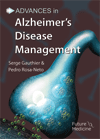
Advances in Alzheimer's Disease Management

Advances in Alzheimer's Disease Management

Teaser: 

CHAPTER 7: Ethical and clinically humane end-of-life care for those living with dementia
by Michael Gordon


Editors:
Serge Gauthier, McGill University, Montreal, Quebec, Canada
Pedro Rosa-Neto, McGill University, Montreal, Quebec, Canada
Publisher: Future Medicine
Reviewed by: Michael Gordon, MD, MSc, FRCPC, FACP, FRCPEdin

It is always a pleasure to be able to discuss a new book to a receptive audience when I believe the book has something special to offer. When it comes to reviewing books outside the realm of medicine or the medical sciences, reviews often are reflective of the personal and aesthetic views of the reviewer. There are many books written for professional readers on the fringe of medical science that deal with non-clinical aspects of medicine and many that have translated important medical concepts to the lay audience and others in the form of memoirs and novels of the personal and historical type that add a great deal to the general wealth and richness of medicine and the associated medical sciences.

To undertake an academic text book is always a daunting task. Generally if experts and specialists in the field cannot write such a book without the help of others and currently the idea of editors securing experts to write the relevant chapters is a well-accepted methodology for achieving that goal. That being said it becomes the responsibility of the editors to make sure that those that they recruit to write the relevant chapters have the academically sound and clinically and research-based capability of doing so and on top of that have the writing skills to achieve their goal. Moreover, for the chapters to hang together in one strives to have some degree of congruence in the writing approaches and styles, while at the same time promoting the particular capabilities of the writers of each chapter. At the end it is hoped that the chapters hang together into a whole that attracts the reader and provides a perspective on the subject and each of its varied components that would be hard to achieve if the reader decided to explore each of the subject chapters separately without the benefit of them being collated, edited and reference into one easily accessible book.

I am therefore pleased and honoured to not only present the book to subscribers of HealthPlexus.net, Advances in Alzheimer’s Disease Management edited by Serge Gauthier and Pedro Rosa-Neto but to have been one of the contributors. At a time when the knowledge surrounding Alzheimer’s disease and other dementias is on the one hand expanding rapidly from the scientific perspective, for the practicing physician and patient living with dementia and their families, the challenges seems to be overwhelming. There seems to be a huge disconnect between the understanding and scientific progress of the causes in many domains of enquiry and the actual clinical impact that all this new knowledge currently has that physicians in the front lines of care can utilize clinically.

In medicine however, one never knows what key will be the one that opens the door we are all looking to enter. At any given time all we can do is to try and figure out using the best clues and evidence available to know what secrets lay behind that door. The readily accessible E-book format in which Advances in Alzheimer’s disease management is produced allows for a relatively low cost alternative to the usual costs of hard copy texts. The content of the book covers all the main challenging concepts and recommended or best-practices as they exists currently. Obviously in time, perhaps a very short time, some of these will change but for those in the field we all know that many of the concepts and practices have not changed in many years.

The table of contents includes the following subjects by the authors listed next to the chapter titles, with mine at the end. I have been given permission to reproduce my chapter, Ethical and clinically humane end-of-life care for those living with dementia on the HealthPlexus.net website so that subscribers can get a taste of the e-book itself.

1) Genetics of Alzheimer’s disease by Jayashree Viswanathan, Hilkka Soininen & Mikko Hiltunen;
2) Diagnosis of Alzheimer’s disease by Pedro Rosa-Neto, Jared Rowley, Antoine Leuzy, Sara Mohades, Monica Shin, Marina T Dauar and Serge Gauthier
3) Available symptomatic antidementia drugs by Marie-Pierre Thibodeau and Fadi Massoud
4) New drugs under development for Alzheimer’s disease by Lezanne Ooi, Kirubakaran Shanmugam, Mili Patel, Rachel Debono and Gerald Münch
5) Management of agitation and aggression: controversies and possible solutions by Clive Ballard and Anne Corbett
6) Guidelines for the diagnosis and treatment of Alzheimer’s disease by Serge Gauthier and Christopher JS Patterson
7) Ethical and clinically humane end-of-life care for those living with dementia by Michael Gordon

For those interested in ordering the book, this can be done through the following links:
The direct URL for the book is:
http://www.futuremedicine.com/doi/book/10.2217/9781780840840

For those who are interested in finding more information about the book/our e-book series, the email address is:
info@futuremedicine.com
For those who wish to place an order, the email is:
sales@futuremedicine.com

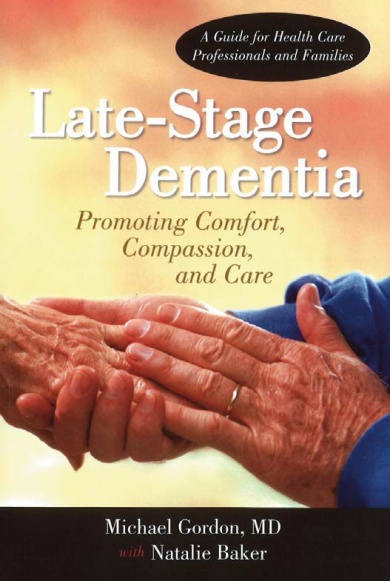
Late-Stage Dementia: Promoting Comfort, Compassion, and Care

Late-Stage Dementia: Promoting Comfort, Compassion, and Care

Teaser: 

by Michael Gordon, MD, MSc, FRCPC, FACP, FRCPEdin
with Natalie Baker, BA, MSc
Publisher: iUniverse Publishing
Reviewed by: D’Arcy Little, MD, CCFP, FRCPC

Modern medicine may offer seemingly promising treatments, but eventually, the impact of Alzheimer's disease and other ailments of dementia can cause profound deterioration in the patient's quality of life. The focus must eventually shift to compassionate end-of-life care.

Michael Gordon in his new book “Late-Stage Dementia: Promoting Comfort, Compassion, and Care” shares his extensive experience with health care professionals and families struggling with these poignant and difficult decisions.

If you are a health care professional who is responsible for caring for frail elders and agrees with the sentiment: “I want to provide the best care possible” or you are a family member of a patient with later stages of dementia and trying to ensure the most compassionate care for your loved one and struggle with painful decisions when confronting the inevitable while providing love, compassion and care, you may want to source this book. It is available online at Amazon.ca and Chapters.

And here you may read and watch what Dr. Gordon says about his latest book himself:  Dealing with difficult choices in end-stage dementia

Compassionate Care in the ICU: Creating a Humane Environment

Compassionate Care in the ICU: Creating a Humane Environment

Teaser: 

Jeffrey Farber, MD, Brookdale Department of Geriatrics and Adult Development Mount Sinai School of Medicine, New York, NY, USA.

An educational video entitled “Compassionate Care in the ICU,” funded by Ortho Biotech and produced by the Society of Critical Care Medicine, aims to improve end-of-life care for patients dying in the intensive care unit (ICU). It is a well-paced, well-filmed video that alternates between advice and opinions from experts in the field of critical care, and poignant, still, black-and-white and colour photographs of common scenes in the ICU. There are two distinct videos: a shorter version intended for professional use, and a second for families of patients being cared for in the ICU. While overlapping in core content, there are significant differences between the two.

The professional video begins with recognition by experts that good communication is both lacking and needed in the ICU. Common barriers to effective communication are discussed, such as deficiencies in the physical environment, physician-family misunderstandings and conflicts, and the paucity of formal staff training in communication skills. Specific examples, such as noise, bright light, and a busy and fast-paced environment are noted, but advice on how to deal with these impediments is lacking. While the video stresses the importance of listening, of “putting down your stethoscope” and “being with a dying patient,” it does not sufficiently address how to establish goals of care with a patient’s family. Indeed, the term “goals of care” is not introduced until the very end of the 25-minute video.

The professional video does a nice job of discussing the need to guide families through the transition from the aggressive, curative approach of a critically ill patient to the symptom-focussed, palliative care approach. It clearly highlights the importance of treating the patient-family unit and credits the physician’s role in providing good palliative care. A highlight of the video features an ICU physician clearly explaining the necessary skills involved in organizing and carrying out an effective family meeting, from preparation to finding a quiet setting, to having a focussed agenda and summarizing and establishing a clear follow-up plan for the family. This is followed by another expert’s recommendation to have physicians train to communicate via professional actors playing family member roles.

While the video makes a convincing argument for the need to better care for dying patients in the ICU, it unfortunately fails to touch upon common specific scenarios that would help its intended audience. Shifting from a curative to a palliative approach often occurs in stages over time. The best tool to help this transition along is a clear and frank discussion of the goals of care. When it becomes clear that the goal is comfort, then the plan of care needs to be reviewed and revised so that all interventions and therapies accord with this goal of care. It is common for clinicians and families to decide together for example that no further blood draws or diagnostic radiographic imaging be performed. Likewise, commonplace, almost standard, ICU monitoring such as telemetry, urinary catheters, and continuous intra-arterial blood pressure need to be reviewed and discontinued if not achieving the goals of care. Unfortunately, there is not one photo in the video of an ICU patient that is not connected to a telemetry monitor and various intravenous catheters.

Likewise, the option of having dying patients transferred out of the ICU to a more appropriate setting is not mentioned. As one clinician described in the video, ICU care is best considered a “therapeutic trial” of a clinical strategy. When this trial fails, then one valid option is to transfer the patient out of the ICU setting to an environment where the goals of care can be better achieved. The ICU is indeed a busy and fast-paced environment with an invasive and aggressive approach to curative care, and it is not feasible to expect the professionals working there to easily shift gears and embrace and excel in providing expert palliative care. While it is important for intensivists to acknowledge the importance of palliative care and good communication skills, it is also important to recognize that optimal end-of-life care more often and readily occurs outside of the ICU setting.

While the expert opinions and still photos are effective, what’s missing in this professional version of the video are the personal and the patient-family unit’s voice. There is no physician account of a specific memorable case, nor a deceased patient’s loved one discussing her experience with end-of-life care in the ICU. This stands in sharp contradistinction to the more touching and personal family version of the video.

In the family version of the video, similar issues such as good communication and the importance of effective symptom management are well-addressed. In addition, establishing goals of care through ongoing communication over time is much better emphasized. There is a wonderfully moving account by a critical care physician of a previously healthy patient who became quadriplegic and ventilator-dependent after a motor vehicle accident. He expertly describes the patient’s eventual transition to palliative care, removal of mechanical ventilatory support, and dying with his family present, drinking a glass of red wine, and being kept free from dyspnea with the appropriate administration of morphine. There is a similarly well-done piece discussing the importance of advanced care planning, specifically highlighting the need to designate a health care proxy and to discuss with the proxy what is an acceptable functional state and quality of life.

The family version does a much better job of clearly stating that there is always something we as professionals can do for patients, that withholding life support does not equal withholding care, and that technologies can be correctly described as death-prolonging as opposed to life-extending when used inappropriately. Families are encouraged to initiate conversations with critical care staff and are assured that dying does not have to be painful nor isolating. There is an effective scene of a critical care expert advising family members on how to achieve closure with a dying loved one. She specifically addresses forgiving the dying person, asking for forgiveness, saying, “I love you,” and then saying goodbye. Likewise, there is a powerful still black-and-white photograph of a patient in the ICU sitting up in a chair with a neck dressing covering what is likely a recently discontinued central venous catheter, shaking hands with a physician. This photo masterfully shows the potential of the ICU to be a place where a person can die a good death. Nearly all that is lacking in the professional version exists in the family version. I would advise critical care units to use both versions to help educate staff to improve care for dying patients and their loved ones.

Evidence-Based Medicine Guidelines

Evidence-Based Medicine Guidelines

Teaser: 


Editor-in-Chief: Ilkka Kunnamo
Publisher: Duodecim Medical Publications (March 2005)
Reviewer: Meteb Al-Foheidi, Medical Resident, University of Toronto


When I was originally asked to review this book, I anticipated examining a pocket-sized guide, but I was surprised to receive a textbook-sized volume running1,311 pages.

When I started to review this book, I tried to cover some topics that I knew and others that I had little knowledge about. At the time I delved in I was doing my emergency medicine rotation, where I was exposed to a wide variety of surgical and medical emergencies in an urban academic hospital. I planned to check every case that I encountered in the Emergency Room with the information contained in the book. For instance, I had an allergic rhinitis case, and I went looking for this in the book. In this and other cases, the text proved to be a good resource: the material was informative and clear, and it provided me with the ARIA guidelines and classifications.

The guide is further enhanced by its thorough forward, preface, and list of abbreviations. It also features good-quality cover design and material.
However, readers should be aware of a few flaws. First, I noted several spelling mistakes (for example, the word “Pheo” was written as “feo”). Second, main chapters were not categorized properly for easy searching. Generally, each chapter dealt with a specialty (e.g., cardiology or pediatrics). But there were some chapters that should have been subchapters within specific specialties: diabetes should fall under endocrinology and birth control under obstetrics and gynecology. While they were likely allotted their own chapters because they are extensively studied conditions or categories, I found it poor on the level of organization.

Furthermore, sections under chapters were improperly categorized. This may cause confusion or even make it difficult to find the information easily without going through all of the contents’ subsections. For instance, page 89 featured material about Hospital Investigations. The first point referred readers to a page still further ahead, page 100, which was about “Secondary Hypertension.” Sending readers back and forth to read about one subject should be avoided.
Other examples of poor organization included chapter content. Some chapters were diseases and others were symptoms. For example, Pulmonary Diseases started with Hemoptysis. Etiologies such as infections, tumours, cardiovascular disease, trauma, etc., were discussed. Then under Differential Diagnosis, the authors addressed the importance of the patient’s history, clinical examinations, and chest x-ray, which are essential for differential diagnosis. As another example of disorganization, the writers opted to explore specific diseases of the respiratory system within a chapter dealing with a symptom.

Some chapters were not evidence-based such as Occupational Health and Pollution—a concern in a text devoted to evidence-based guidelines.
Regarding references: the textbook mentioned only grading references, but no tables or summary and references were listed at the end of each section. In my opinion, this kind of book should contain tables, easy-to-follow flow charts, and summaries that are specific to that section.

The book should have been devoted to guidelines only, based on the title, but the authors/editors went beyond that and added information that one would only find in general medical textbooks and reference guides, such as adding detailed definitions, epidemiology, clinical presentations, and investigations that lacked connection to either guidelines or to evidence-based medicine. Thus the book deviates from its title and is a hybrid of evidence-based guidelines and a standard textbook.

My overall assessment of this book: I believe it will be helpful for the generalists for whom this book was intended. As for me, I will keep this copy on my shelf and I will use it for topics outside my specialty, internal medicine. It will be more useful as a general reference for me in other areas such as surgery, pediatrics, and so forth.

Everyone’s Guide to Cancer Supportive Care: A Comprehensive Handbook for Patients and their Families

Everyone’s Guide to Cancer Supportive Care: A Comprehensive Handbook for Patients and their Families

Teaser: 


Authors: Ernest Rosenbaum, MD, Isadora Rosenbaum, MA
Publisher: Andrews McMeel (September 1, 2005)

Reviewer: Lesley McKarney, PhD, Editorial Director, Geriatrics & Aging

A diagnosis of cancer brings with it many questions and a need for clear, understandable answers for both patients and their families. There is a multitude of information about cancer available at bookstores, on the Internet, and on television. It can be overwhelming and insufficient because not all the answers are available--from anywhere--and when they are available, they are not always accurate.

Author Ernest Rosenbaum, MD, FACP, a clinical professor of medicine at the University of California, San Francisco, is himself a survivor of esophageal cancer. Together with his wife Isadora and almost 80 medical advisors and contributing authors, all of whom serve as top specialists in their respective fields of cancer treatment and research, the Rosenbaums have assembled Everyone’s Guide to Cancer Supportive Care, a comprehensive assimilation of information relative to the disease of cancer written for patients and caregivers. It includes accurate but palatable descriptions of physiological changes and methods of psychological coping, and encourages patients to be more involved in their care. As correctly observed in the preface by Dr. I. Craig Hendersen, “…our modern medical system allows too little time for the doctor to provide everything the patient needs to live with and overcome this disease.”

The book serves as a companion read to Everyone’s Guide to Cancer Therapy: How Cancer Is Diagnosed, Treated, and Managed Day to Day. While the latter deals with issues surrounding the diagnosis and treatment of cancer, Cancer Supportive Care is designed to guide patients towards an organized program of comprehensive rehabilitation by examining psychosocial aspects (e.g., loneliness and stress), nutrition, exercise, sexuality, nursing, hospital issues, community services, medical economics, and end-of-life care.

A hefty reference running at 468 pages, Everyone’s Guide to Cancer Supportive Care is divided into six sections. The first section attends to what typically happens when a patient first learns about the diagnosis and what treatments are available, as well as treatment side effects and options for pain control. There are helpful chapters describing surgery, radiation therapy, bone marrow transplantation, chemotherapy, alternative and complementary therapies, and clinical trials, though the lengthy description of targeted therapy of cancer is far too advanced for the layperson. The two chapters on side effects of cancer therapy include information on the consequences of such (e.g., severe neutropenia, for example, can lead to delays in or termination of chemotherapy), advice on how the patient and/or doctor can reduce the impact of side effects, and what is tolerable. The chapter on pain control attempts to dispel the myths surrounding opioid use.

The second section coaches patients on regaining control of their confidence and self-esteem. Titled “The Role of the Mind,” it discusses coping strategies for stress and depression--natural responses to news that a person has cancer--and whether or not a patient’s attitude has an impact on medical outcome. In particular, this section has chapters discussing the value of religion, spirituality, and creative expression in helping patients confront and deal with their illness.
Perhaps the most valuable section of the book for the patient, section three focuses on the care of the body. In addition to emphasizing the importance of a well-nourished patient and achieving a balanced diet, this section also instructs on nutrition for symptom management and control, particularly as it relates to the type of treatment or cancer. Which foods least irritate the bowels of patients who have undergone a colonectomy or colostomy? How do you bypass the problem of difficulty swallowing, mucositis, and dry mouth in head and neck cancer cases? What can be done for loss of appetite due to chemotherapy or morphine-induced constipation? And so on. These are also dealt with to some extent in the chapters on modified diets, recipes for the chemotherapy patient, multivitamins, and complementary medications. Rehabilitation and fitness exercises (with illustrations), insomnia, and sexuality are also covered.

Section four includes supportive and social services for life and death issues, such as in-hospital routines, in-home support groups, home nursing, hospice care, grief, and recovery. Section five covers the sensitive topics of when to consider an advance directive, preparing a will, and arranging a funeral or memorial service. The last chapter, “Choosing Life,” reinforces the major messages throughout the book and reminds patients of the relevance of their will to live and the interaction of body, mind, and health.

Finally, the book finishes with a list of supportive care resources including Internet resources, support groups, and relevant literature.

This is an impressive resource for all those wanting to learn about cancer and its consequences. In truth, I have only one criticism to make of this book: the reference in the title to it being Everyone’s Guide is somewhat misleading. The book requires (or assumes) postsecondary education of its readers, or at least grade 10 comprehension--an all too common mistake made in medical literature. A physician would be wise to consider the patient’s and family’s abilities to read and understand the content before recommending such a detailed and possibly intimidating book.

Despite this, physicians and other health care providers will certainly appreciate this comprehensive and well-written overview of cancer supportive care as a teaching tool, and it is a valuable addition to the library of any cancer clinic.

Cardiovascular Disease in the Elderly; 3rd Edition, Revised and Expanded

Cardiovascular Disease in the Elderly; 3rd Edition, Revised and Expanded

Teaser: 


Editors: Wilbert S. Aronow, Jerome L. Fleg, Eds.
Publisher: Marcel Dekker, Inc., 2003

Reviewed by: Jagdish Butany, MBBS, MS, FRCPC, Consultant Cardiovascular Pathologist/Director Autopsy Services; Co-Editor-in-Chief, Cardiovascular Pathology; Professor, University of Toronto; Director, Division of Pathology, Department of Laboratory Medicine and Pathobiology, Toronto General Hospital, Toronto, ON.

This third edition of Cardiovascular Disease in the Elderly reflects well and in detail the age-related changes in cardiovascular disease, as well as its presentation, diagnosis, and management. Cardiovascular disease represents an increasing and important cause of morbidity and mortality in middle and even more so in old age, accounting for nearly half (if not more) of all adult deaths. The chapter subjects in this book reflect the wide spectrum of the aspects of cardiovascular disease that the individuals who deal with cardiovascular disease in older adults need to be familiar with. The topics are well chosen and the authors of each chapter offer good details regarding them.

The materials covering the cardiovascular system are well divided into numerous sections, each of which appears to be well addressed and covered. Many of the sections are significant in detail, something that should serve as a good resource for anyone dealing with cardiovascular disease in older adults. It is difficult to imagine anyone who, given the changing demographics in countries, will not have to deal with them in some stage or another.

Some chapters are of particular interest, as they are not often covered well in any books. Amongst these are the chapters on peripheral vascular disease in older adults. Given the significance of peripheral vascular disease in this patient group, the introduction to the condition, discussion of the causes, and then the detailed discussion of abdominal aortic aneurysms, thoracic abdominal aneurysm, mesenteric ischemia, and renovascular disease are well done. The discussion of smaller vessels, that is, lower extremity arterial disease, is slightly less detailed.

The section on medical management of peripheral vascular disease and the discussion of reconstruction gives good insight into the options available. The discussion of the need for amputations in people with peripheral arterial disease is appropriate and should give the reader current information with regard to options, even though amputation may be considered a last resort. The discussion of percutaneous transluminal angioplasty is good, though given the rapidly changing nature of materials of which stents are made and designed it may already be slightly dated.

Each section appears to have a good number of references, which should be of help to the individuals interested in more detailed information.
The section on the pathophysiology of coronary artery disease, that is, the basis of the understanding and management of coronary artery disease, is written by experts in the field and is well done. The slightly surprising feature is the good deal of detail offered so that even a rapid review of this chapter would help the reader understand the basis of its genesis and management.

Very appropriate for a book of this kind dealing with patients of this age group is the final chapter on “Ethical Decisions and the Quality of Life in Older Patients with Cardiovascular Disease.” This section is dealt with well and appropriately and since, as the authors begin this section with, “Death is the only certainty in life,” it is essential that anyone dealing with older adult patients be conversant with it. Some of the comments in this section are very appropriate and ones that many physicians need to take to heart (no pun intended). The section also discusses Do Not Resuscitate orders and offers a brief update on euthanasia and the “Oregon Death with Dignity Act.” In short, this book provides a good and detailed overview of the genesis, investigation, and diagnosis of cardiovascular disease in older adults. It provides a very welcome edition (an updated version of the previous edition) for every practicing physician who deals with older adults.

Parenting Your Parents, 2nd Edition

Parenting Your Parents, 2nd Edition

Teaser: 


Authors: Bart J. Mindszenthy and Michael Gordon, MD
Publisher: The Dundurn Group, Toronto, ON.

Reviewed by Hazel Sebastian, MSW, RSW, Social Worker, Regional Geriatric Program, Toronto Rehabilitation Institute, Toronto, ON.

Although “Parenting Your Parents” is directed to families, care providers, policy designers, and professionals who assist them can also learn from reading this remarkably moving book. Readers will find significant insight into end-of-life challenges faced by care receivers and providers. Since adult children often feel unprepared for the task of helping their aging parents, they will find the authors’ description and discussions of this daunting task through stories of nineteen Canadian families extremely useful. The authors--Dr. Michael Gordon, a renowned geriatrician, and his coauthor Bart Mindszenthy--reflect on the details of providing care with all of its struggles and rewards, blending their extensive professional and personal family experiences. The second edition includes an expanded personal parenting planner and an updated resource directory for every province in Canada.

The nineteen case studies delve into the everyday life of family caregivers and their parents, their journey of love and pain, and the hope that they have made appropriate decisions along the way. There is plenty of room to make mistakes while venturing into this unfamiliar world of care providing. A close partnership between the family caregivers and health care professionals will prevent premature institutionalization, and increase the longevity of the caregiver and care recipient relationship.

These stories of families are selected from diverse family backgrounds, faiths, and cultures from different provinces of Canada. The end-of-life care concerns and trials they face often test the true strength of the family relationships. These intimate stories describe unpredictable events in their lives and the need for flexible, creative ways to deal with them. They inform the caregivers to pace themselves to go through a journey of caregiving that may last decades; in addition, caregivers will feel that these stories validate their expectations and personal feelings of failures and successes. The book identifies some of the controversies encountered with siblings and health care professionals, and it captures the unanticipated emotions experienced in the huge responsibility of providing daily care.

The caregiving experiences in this book chronicle different paths but they do not claim to cover every family situation. Still, families facing completely different problems can benefit from reading the book and discovering helpful advice in various segments; it may stimulate lateral thinking to address unique issues that confront other families.

The “Healthcare Professional Point of View” presented after each case study offers alternative approaches to resolving crisis points and emphasizes the usefulness of seeking early professional interventions. A delay in seeking professional assistance can unnecessarily increase the stress on parents and care providers. Timely assistance from home health care providers, learning the strategies targeting challenging behaviours, and environmental modifications can contribute to more successful coping. The professionals reading the book may find the richness of the text gently probing the limit of their knowledge and skill level. It will encourage a professional to find creative ways to work around restrictive agency policies and improve his or her repertoire.

The “Personal Parenting Planner” is particularly important for use in care mapping. It creates a cognitive and conceptual space for caregivers to raise questions and resolve problems. It strengthens the planning by focusing on the areas and details not always included. The use of the parenting planner is therapeutic for those who feel overwhelmed by the responsibilities and consumed by caring duties. It brings a sense of control and direction to the whole process.

The updated directory of resources will assist in finding the help needed. It will reduce the time spent to identify services in the community. The list includes a wide range of general resources, services for special needs, driving capability assessments, and home modification. It outlines the procedures to follow to access publicly funded federal and provincial services, and private agencies that can supplement the care. The suggestions for long-term care placement planning assist anyone who is helping the parents, either locally or from a long distance.

The title Parenting Your Parents suggests the role adult children have to assume to assist parents when they become frail. According to the authors of this book it is a common phenomenon around the world, but this book examines the familial and societal issues in Canada. To be successful, it advocates for a balance in all areas of a care provider’s life and careful planning. The help given effectively and lovingly to parents has many similarities to the role of parenting children. There are also important differences. Since the parents enjoy the authority and advantage of many more years of life experience, they will expect to have the final say in all the decisions affecting them or they may delegate. To minimise the role conflict and the parent’s feelings of loss of control, there is a need to respect the boundaries of the parent-child relationship.

The personal experiences of parents depending on their adult children at the end of their life to provide physical and emotional care fill the pages of this extraordinary book. The value of the book is in its creation as a guide for seasoned caregivers who are struggling to cope at times with the responsibilities, and to give practical advice to future caregivers. It’s also an invaluable resource for administrators of long-term care facilities, home care coordinators, and health care professionals. The contributions of this easy-to-read book are a definite addition to the existing information on caring. As a professional working with frail older rehabilitation clients and as a family caregiver for my mother, the book has inspired some new thinking and enabled me to reflect on ways to share the caregiving responsibilities with my siblings. It has also improved the quality of our interactions.

Living with Chronic Pain

Living with Chronic Pain

Teaser: 


Author: Jennifer P. Schneider
Publisher: Healthy Living Books

Reviewed by Jackie Gardner-Nix, MD, Chronic Pain Consultant, Pain Management Program, Sunnybrook and Women’s College Health Sciences Centre; Pain Clinic, St. Michael’s Hospital, Toronto, ON.

You know you’ve been given a good book to review when you wish you had written it! Jennifer Schneider serves up a worthy paperback tome on chronic pain that will be valued by many of those suffering pain or living with a family member with pain. Among its virtues is its accessibility--any reader with at least a grade twelve education should have no problem cracking it. At 304 pages in length, readers are more likely to dip into it for selected topics than read it cover to cover, particularly as chronic pain patients tend to have limited attention span and recall. But for that purpose, it is well worth setting on the bookshelf.

Schneider begins the book with an informative introduction intended for those who live with chronic pain, defining pain and the differences between acute and chronic pain, nociceptive and neuropathic pain, and “breakthrough” pain. She describes pain prevalence in the United States and lists the most common types of pain encountered by physicians: back pain, arthritis, migraines, fibromyalgia, and so on. The NMDA receptors and their role in pain are discussed. Schneider also includes a useful lesson for lay readers in how to interpret evidence-based findings, explaining the different types of clinical studies (double blind, placebo-controlled, etc.).

Chapter 2 addresses finding the right health care professional and assumes the existence of an ideal world where you have a choice! She acknowledges that physicians often undertreat pain due to lack of knowledge and understanding of the condition, and many fear sanctions from governing bodies if they prescribe narcotics.

Subsequent chapters deal with non-opioid medications used for pain and cover all the usual adjuvant medications, including a section on the controversial coxibs and topical agents. One chapter on opioid medications makes it clear that the author is not “opio-phobic”--a welcome fact for many patients who need chronic pain management. However, the reader could potentially misinterpret this chapter as espousing that all pain is responsive to painkillers, as Schneider seems to paint a rosier picture of the role of opioids in chronic pain than perhaps they merit. She cites studies that show efficacy of opioids in various types of pain and tends to ascribe tolerance development (reduced analgesic efficacy over time) as being due to worsening of the underlying condition, a view that is long out of date. Tolerance to analgesic efficacy of opioids is not rare! The studies she quotes do not reflect the true clinical picture of the challenges we face in finding stable doses of opioids that can return patients to the work force or to normal functioning. Similarly, there is no discussion of the extent of the reduction of pain scores by medication interventions and how that translates to improving function. Sleep studies that alert those on chronic opioid therapy to the possibility of sleep apnea are addressed. Nevertheless, Schneider is diligent in discussing side effects of opioids such as constipation, nausea, sexual difficulties, and sedation, and she adequately addresses the issue of driving under medication. Moreover, the proceeding chapter appropriately emphasizes the difference between addiction and physical dependency.

To complete the discussion of conventional therapies for chronic pain, a chapter is dedicated to alternative therapies, including acupuncture, yoga, tai chi, massage, prayer, and cognitive behaviour therapy. The chapter spends little time on meditation but more on hypnosis. Jon Kabat Zinn would not appreciate her interpretation of his mindfulness meditation as a “relaxation technique,” but it is difficult to cover such a wide range of topics and be accurate in describing them all.

One of her particular interests is clearly the influence of personality types on chronic pain, and 61 pages are devoted to describing this--a part of the book many lay readers are likely to go to first. But though she discusses how personality traits affect an individual’s capacity to cope with pain and disability, she fails to connect these traits and the initial development of chronic pain. Moreover, she does not acknowledge the literature dealing with pain-prone personalities or the concept of secondary gain.

Schneider concludes by looking at the indirect and direct costs of chronic pain and describes how family and friends can help the patient. A discussion of current research and new developments rounds out the text.

This book is a good resource for health care professionals and educated readers alike. It would be a worthy reference for health care personnel in locales such as long-term care facilities. Jennifer Schneider has attempted a comprehensive guide on chronic pain, a daunting task considering that many books dealing with clinical issues rapidly become out of date. All in all, this is a timely book that ably sums up where things are, right now, in chronic pain.

The Medical Professional’s Guide to Handheld Computing

The Medical Professional’s Guide to Handheld Computing

Teaser: 


Author: Chris Helopoulos
Publisher: Jones and Bartlett

Reviewed by Paul Arnold, MD, MCFP, Emergency Physician, University Health Network;
Faculty, Faculty of Medicine, University of Toronto, Toronto, ON.

If you were considering purchasing and using a handheld computer for professional use, what would you need to know to make good choices? The Medical Professional’s Guide to Handheld Computing by Chris Helopoulos makes a noble attempt to meet the challenge.
Mr. Helopoulos is a physician assistant and the assistant director of the Barry University Physician Assistant Program. He is a firm adherent of the “less can be more” school of writing. The text is brief, with an accessible writing style that avoids technical jargon. Its chapter structure is well organized by topic. The author encourages you to dip into the book and sample it like a buffet, partaking only of what you need or want. However, it is compact enough to read in an evening. The result is a very effective and enthusiastic primer on Palm™ handheld computing for medical workers. Regrettably, it isn’t made clear until one is well into the second chapter that the author intends to focus solely on Palm™ Personal Digital Assistants (PDAs), excluding Pocket PC devices altogether. This is a pity, as much of the medical software reviewed later in the book is applicable to both platforms, and Pocket PCs are a legitimate choice for health care workers.

With that said, the book addresses the needs of its target audience. Beginners will find solid suggestions and advice to help them choose a handheld. The more sophisticated user will find useful programs and medical references. The author also shares many insightful tips and tricks with a focus on medical users, making the book a useful reference tool.

The text is copiously illustrated with black and white screen shots so that the reader can gain an appreciation of what software is like during use. The illustrations lack descriptive captions but all are numbered and referenced in the text. There is no index of images.
Most of the book is devoted to exploring software. The chapter on the Palm™ built-in applications is thorough but repeats what can already be found in the Palm™ manuals. A broad range of third party programs is described, including utilities that enhance the functionality of Palm™ handheld computers. Beginners and experts alike will certainly find useful ideas and software in these chapters.
The accompanying CD has a wealth of programs, most of which date from 2003 and a few from 2002. Of course, newer versions of many of these programs have been released since the CD was prepared for publication, but the beauty of this compendium is that you can try out many programs without ransacking the Web. Updates are easily located online if a program seems promising. Note that some of the software is limited until a registration fee is paid to the developer (not the author of this book) but this won’t prevent one from thoroughly exploring the functions of most of them.

Time can be cruel to medical computing reference texts. For the most part, the author has wisely avoided detailed coverage of specific models. However, some material in this book is already out of date. For example, the author refers extensively to the defunct Handspring brand. These comments and instructions are not helpful to prospective owners. The book was also prepared before the latest versions of the Palm™ operating system were released. This is important because “hacks,” handy little utility programs that receive well-deserved attention in the book, won’t work on the newest devices.

It is also disappointing that Mr. Helopoulos neglects to mention how important it is to protect data before testing new software, in case things go awry. Backup software is one of the few important categories that aren’t included in the chapter on third party utilities. This is critically important for people who do serious work on their PDAs. There is very little discussion of patient tracking or charting SW, which is not acceptable in a guide for medical professionals. Moreover, there is no consideration of the topic of securing the data on handhelds, a particularly relevant subject in view of HIPAA and equivalent Canadian legislation regarding patient records and privacy.

A few words of caution for Canadian doctors and nurses: no mention is made of reference texts that use Canadian drug names, so the reader is required to look elsewhere for information on these products. Moreover, while the guide contains a modest glossary and an adequate index in the text, there is no index of web addresses (URLs) for the companies and software described in the book. That information is available on the CD but is poorly configured. One has to open Windows Explorer to find instructions on how to get at the software and to access the list of web sites that the author has included. This is an excellent resource but it is too well hidden.

This slim volume has some deficiencies if one is looking for help with data security or patient tracking software, but otherwise is a worthwhile tool for someone contemplating the purchase of a Palm™ handheld within the next year or so. To those interested in other handheld computer systems, this book will provide only some hints of what is possible, not what is actually available, for Pocket PC, Linux, or RIM Blackberry. Nonetheless, the guide offers substantial help to aid decision making and avoid setbacks. New or experienced PDA users will also appreciate the information about software and online resources that will enhance their use of these devices.


The reviewer has no commercial interest or conflict of interest with any developer of handheld computing equipment or software, but does publish a free monthly newsletter about Palm computing for medical professionals. The Medical Palm Review can be found online at medpalmrev.medtau.org.